The origin of Coricancha: spiritual and political center
The name Coricancha comes from Quechua and can be translated as “golden enclosure” or “golden temple”. The complex began to gain importance during the rule of the Inca Viracocha, around the 13th century.
Initially known as Inticancha, or “enclosure of the Sun,” the temple became the center of the religious and political life of Tahuantinsuyo, the vast empire that occupied much of South America.
Its importance was linked to the belief that there was the home of Inti, the Sun, one of the main Inca deities.
During the government of Pachacútec, in the middle of the 15th century, Inticancha was expanded and beautified, becoming the Coricancha known today.
Pachacútec expanded Inca territory and promoted great architectural works. Among them, Coricancha occupied a central position.
The temple became a symbol of imperial power, and its wealth appeared both in the architecture and in the valuable offerings kept inside.
The architecture of Coricancha: Inca perfection
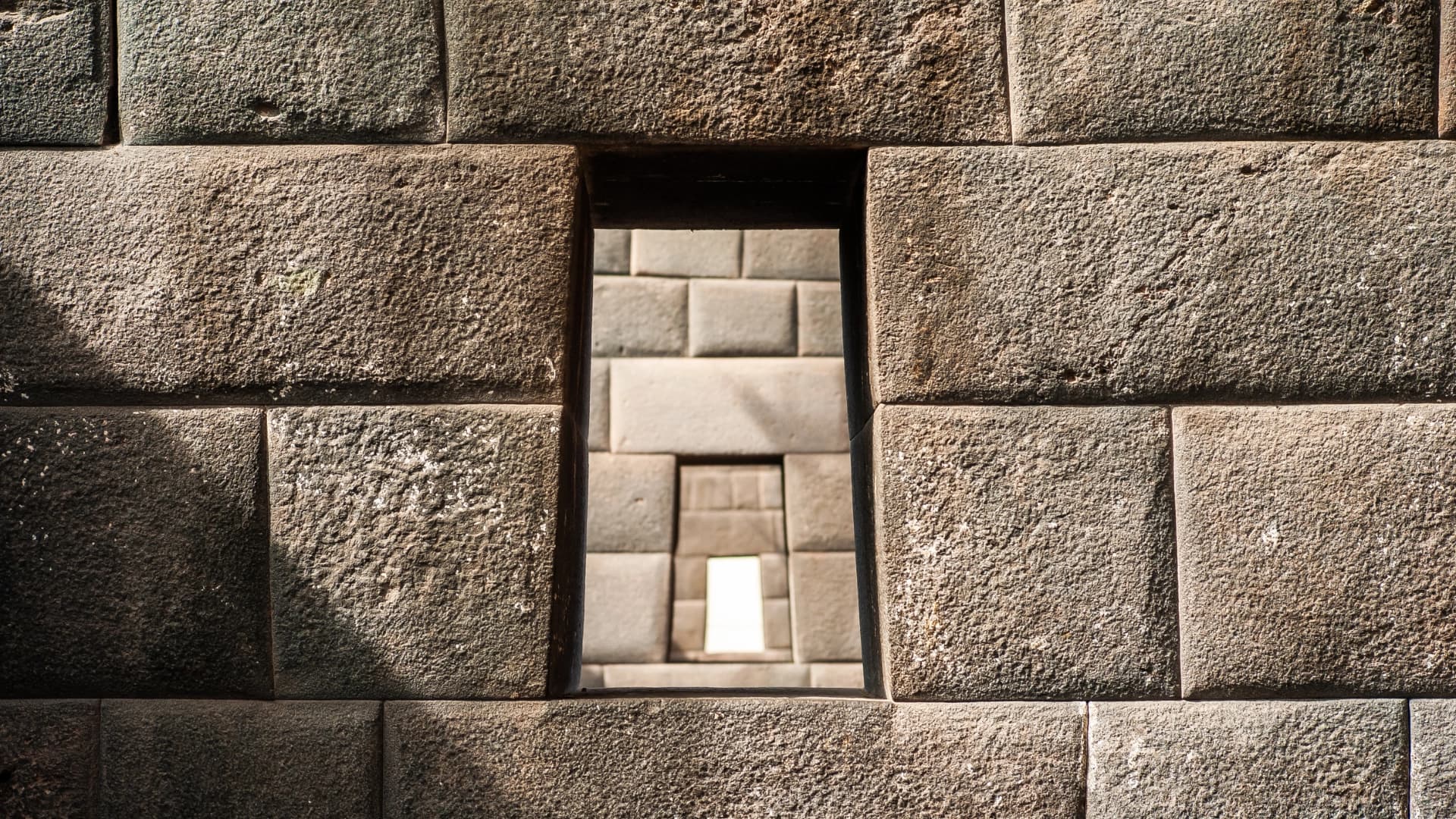
One of the most impressive aspects of Coricancha is its architecture, which demonstrates the high knowledge achieved by Inca engineers and builders.
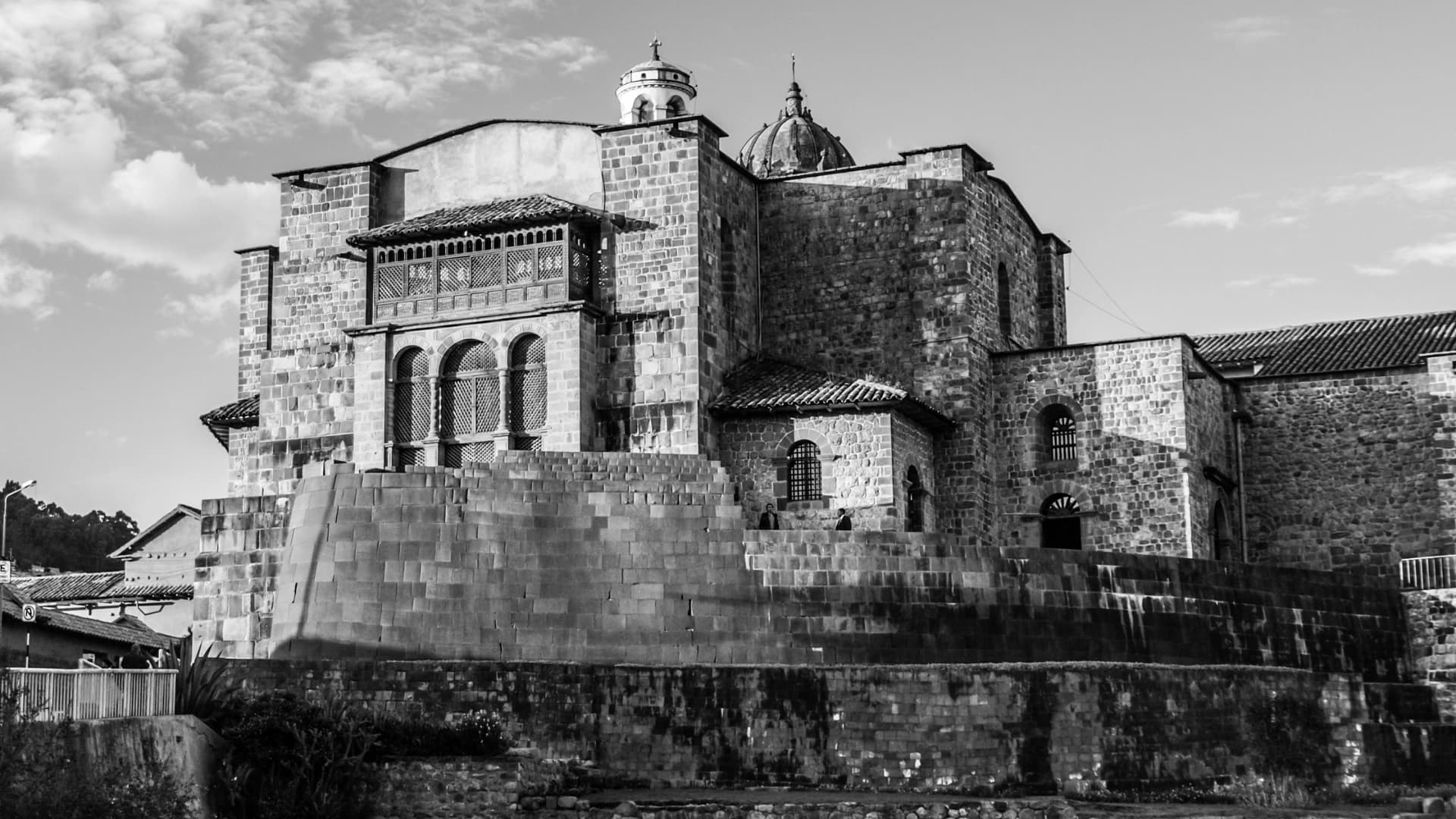
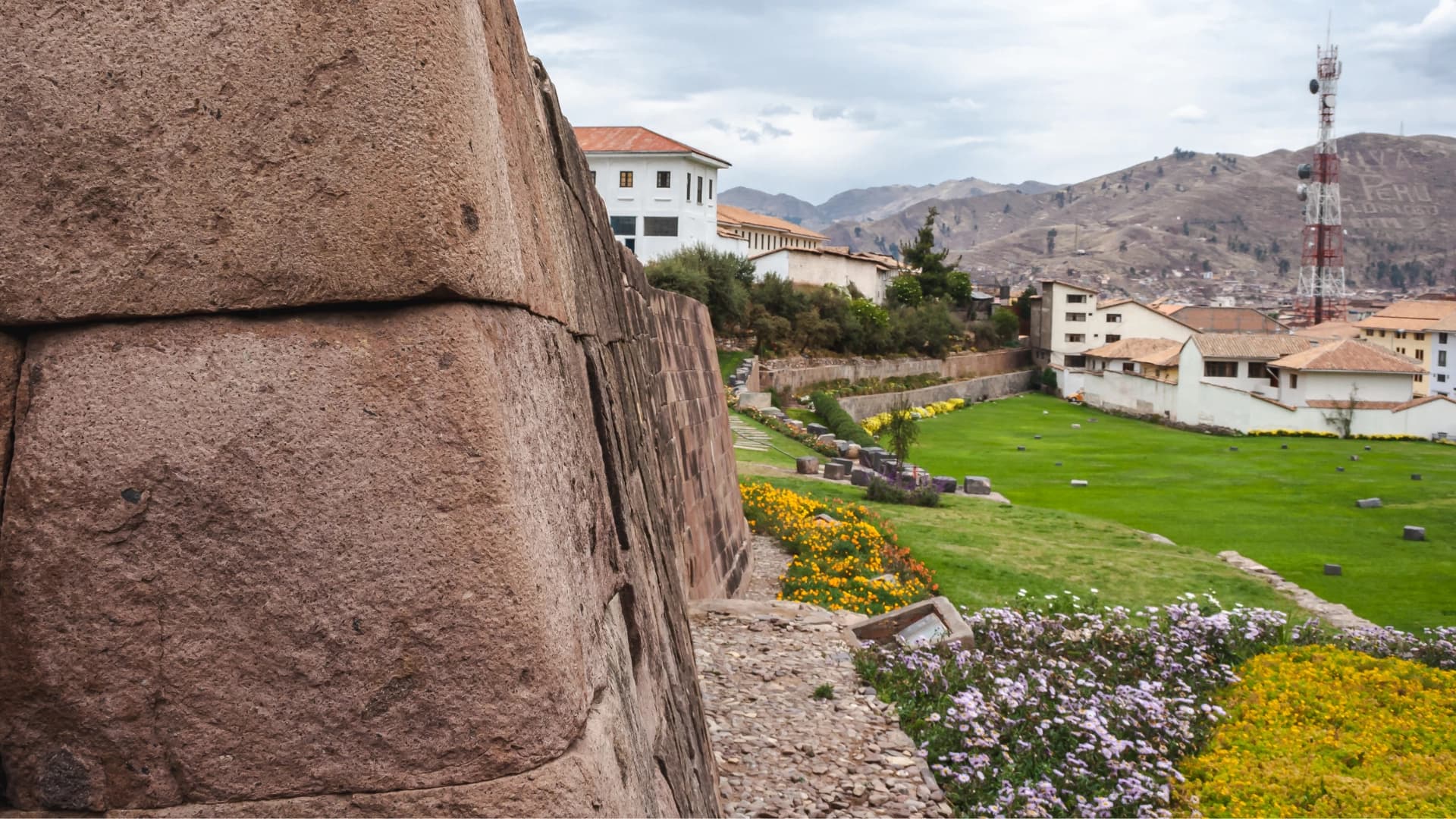
The temple was built with stone blocks carefully cut and fitted together without mortar.
This construction system was not only visually accurate, but also offered great resistance to the frequent earthquakes in the Andean region.
The walls were covered with sheets of gold that reflected the sunlight and gave the temple a dazzling appearance.
Historical accounts mention gold and silver statues dedicated to different deities, as well as representations of Andean flora and fauna made with precious metals.
Among the most extraordinary objects were figures of vicuñas, birds, trees and plants, such as corn, reproduced in solid gold.
The complex also had rooms dedicated to different deities and religious functions.
- Inti Wasi: the Casa do Sol, a space dedicated to the cult of the solar deity.
- Killa Wasi: environment dedicated to the Moon and its presence in the Inca worldview.
The conquest and transformation of Coricancha
The arrival of the Spanish in Cusco in 1533 marked the beginning of profound changes for Coricancha and the entire city.
Impressed by the temple's wealth, the conquerors looted much of the gold and silver that decorated the complex.
Part of this treasure would have been gathered to rescue Atahualpa, the last Inca emperor, later executed by the Spanish.
The Coricancha lost not only its material goods, but also a large part of its sacred function.
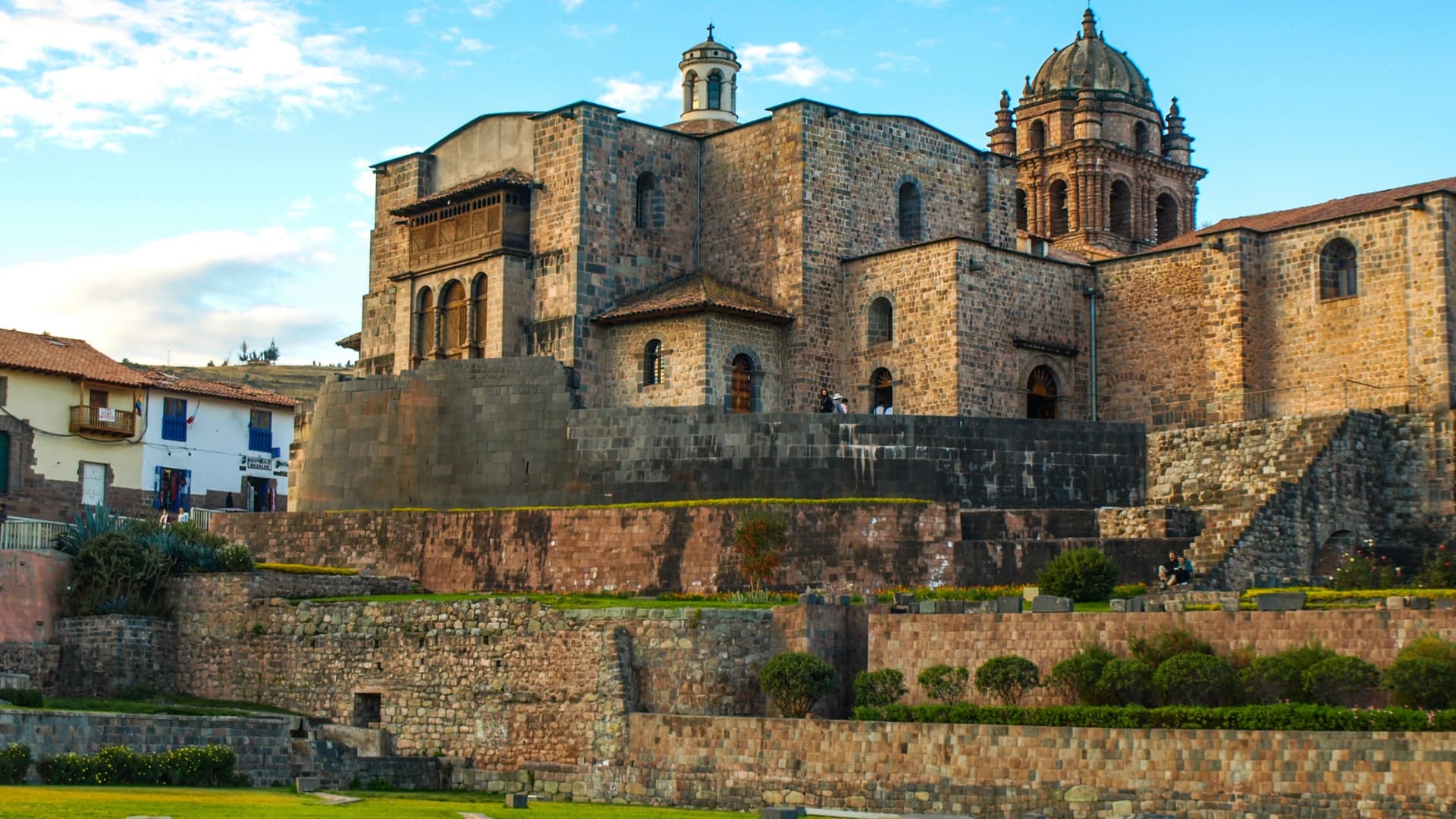
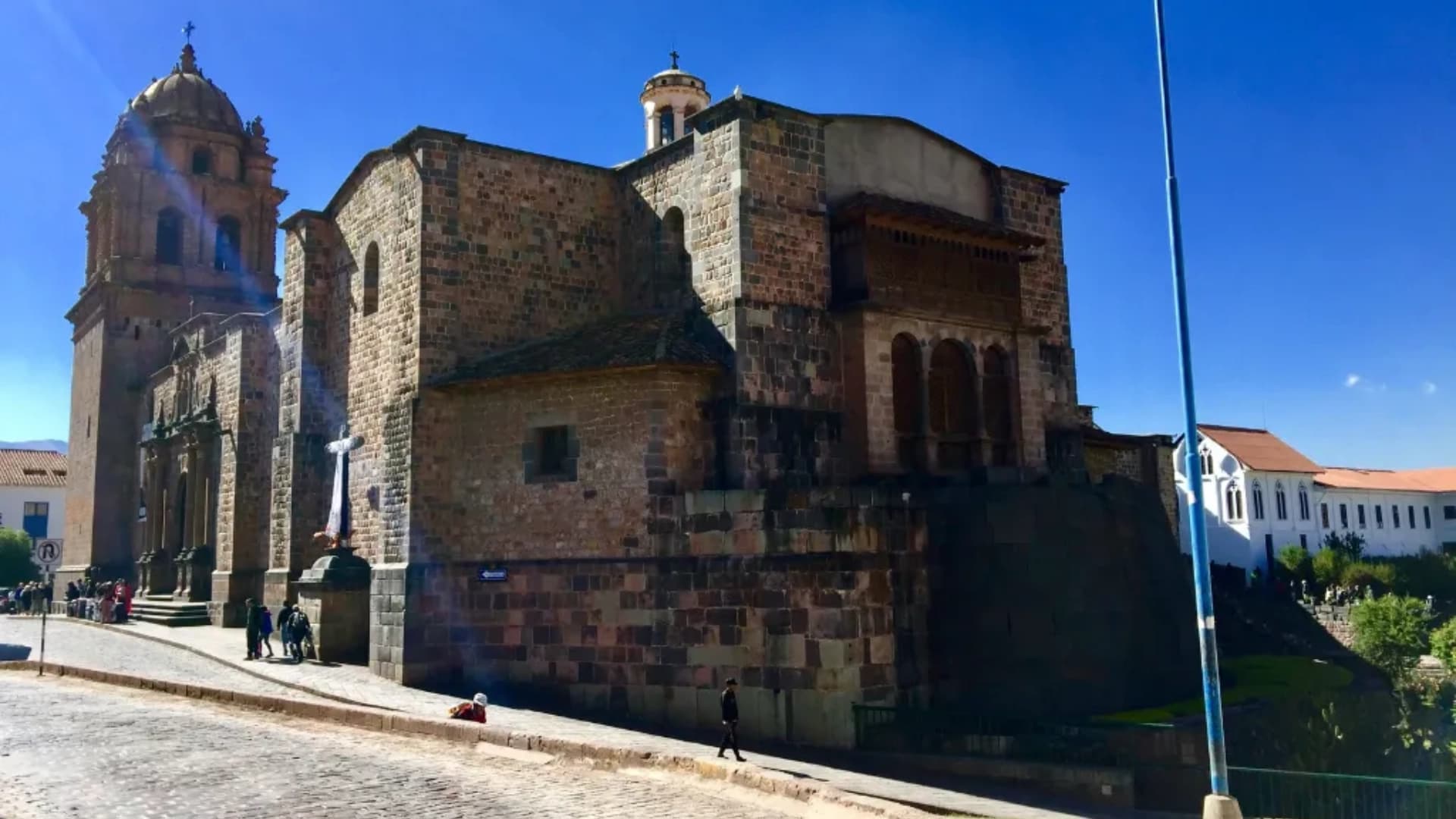
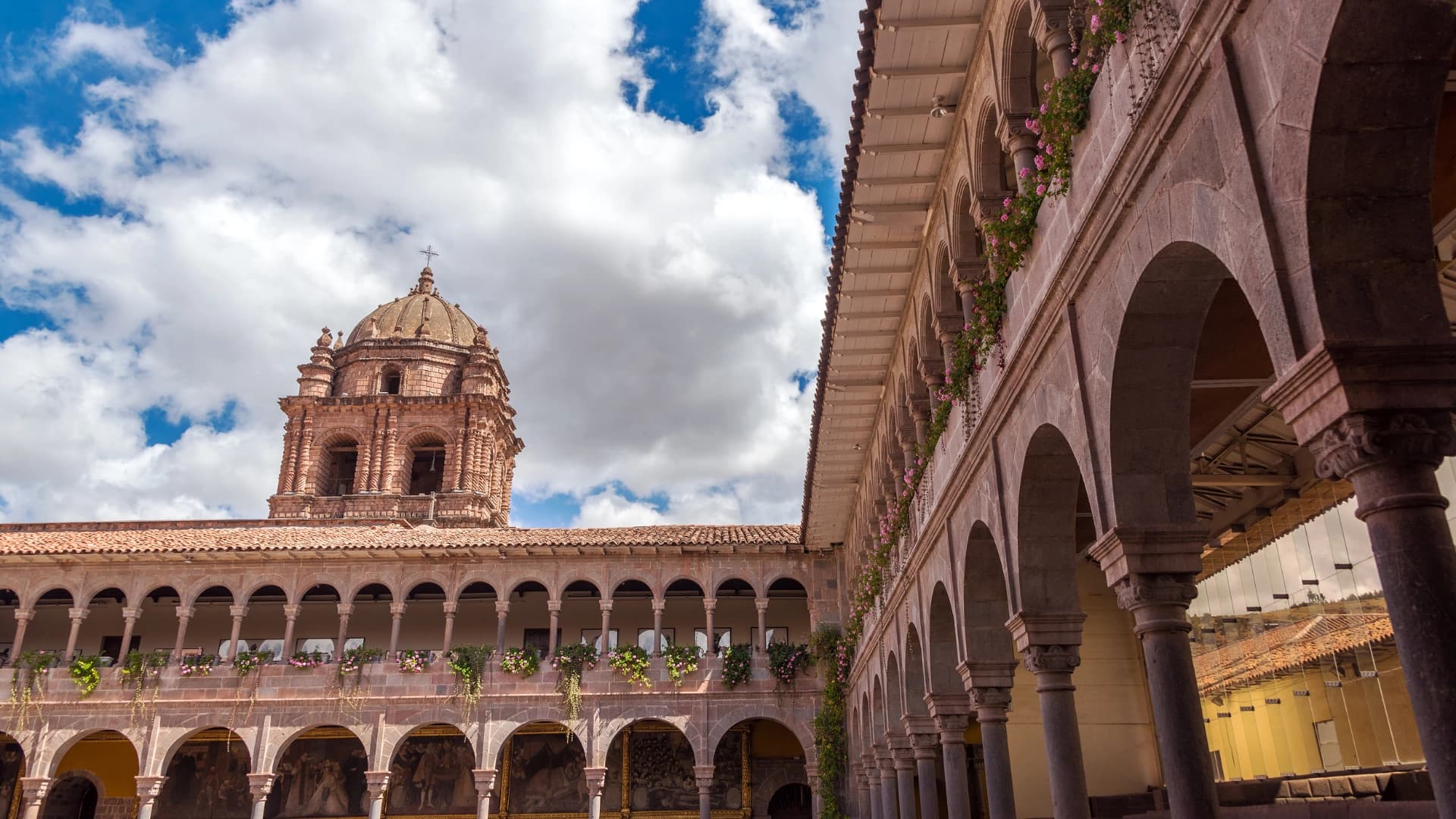
As a symbol of dominance, the Spanish built the Convent of Santo Domingo on Inca foundations.
The strength of the original engineering was evident in the earthquakes of 1650, 1746 and 1950: while parts of the convent suffered severe damage, many Inca walls remained largely intact.
These events demonstrated the efficiency of Inca construction techniques in the face of seismic movements.
Coricancha today: a living legacy
Currently, Coricancha is one of the most important attractions in Cusco. The visit allows you to observe the coexistence of two cultures that, despite the initial confrontation, contributed to the city's current identity.
Access to the temple allows you to visit the Inca environments that are still preserved and get to know their stone walls up close.
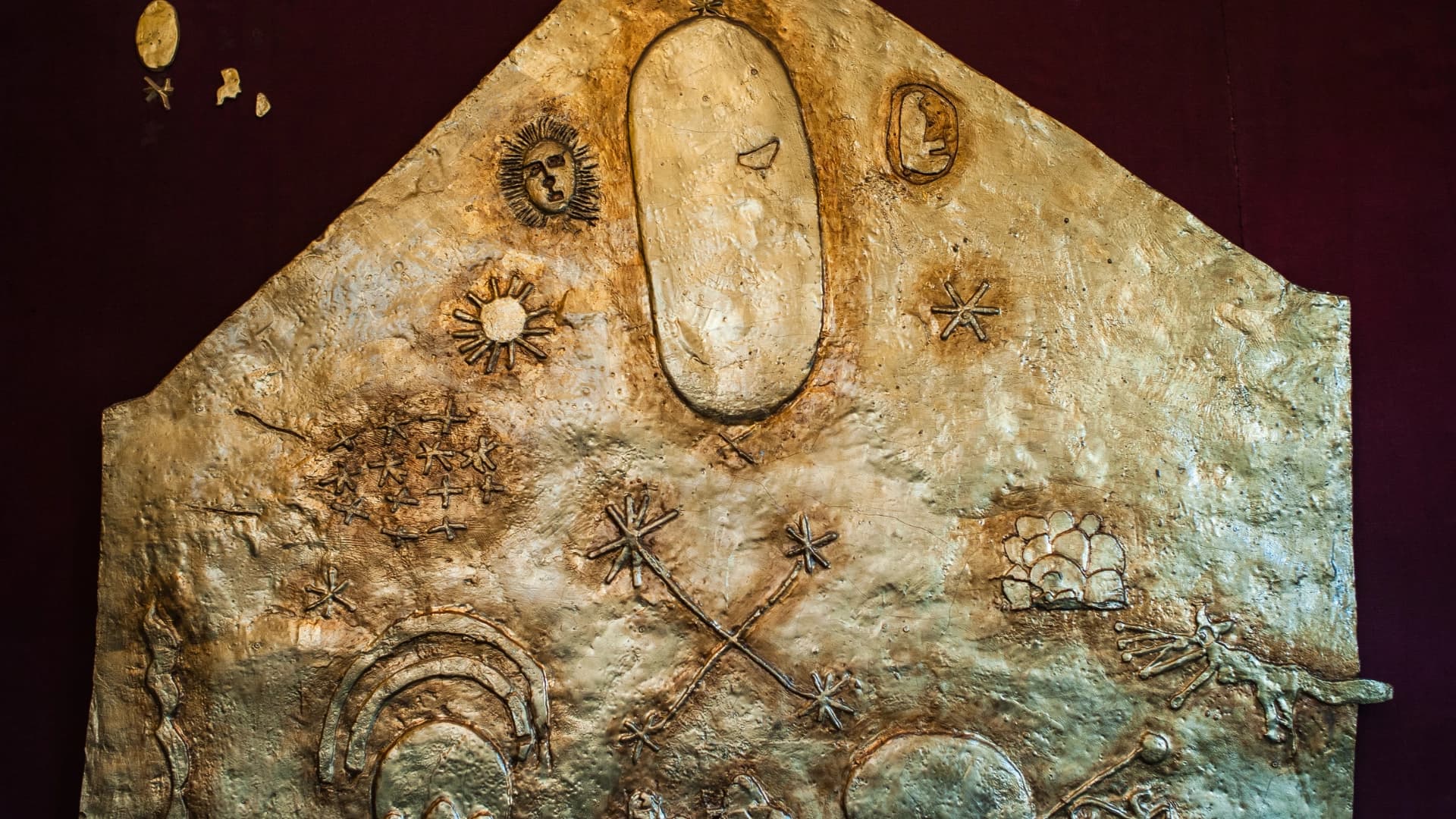
The Coricancha Site Museum, located under the garden of the Convent of Santo Domingo, brings together archaeological objects found during excavations.
The collection includes ceramics, textiles and tools from the Inca period, offering more context about the life and practices of the time.
The architectural ensemble reveals the precision of the stone fittings and a structural design capable of resisting time and natural disasters.
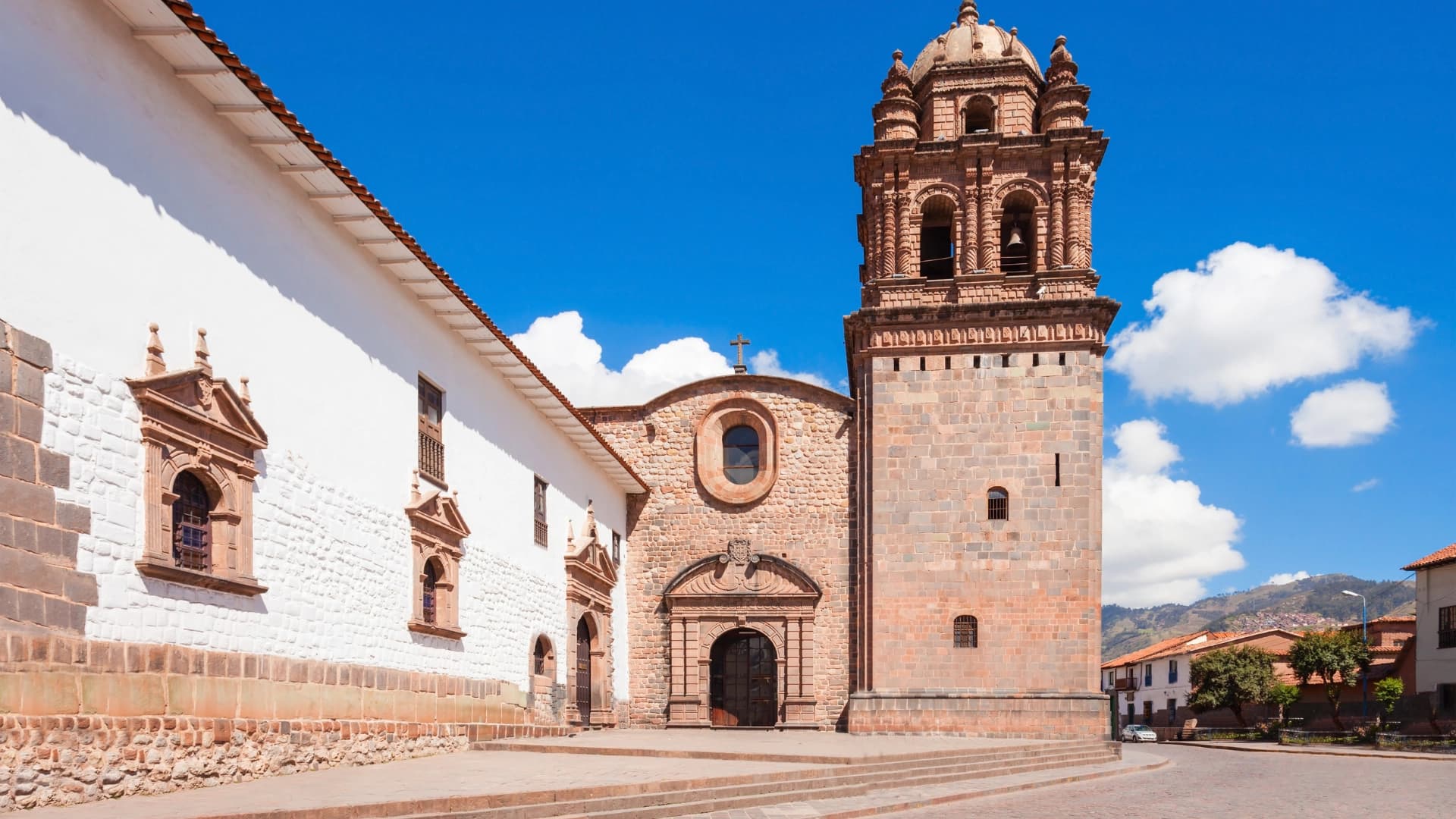
It is also possible to visit the Convent of Santo Domingo, where colonial paintings and religious works create a striking contrast with the Inca structures.
The union of two cultures
Coricancha is a living testimony to the encounter between Inca and Spanish cultures.
Although much of the temple has been destroyed or modified, what remains still conveys the grandeur of the past and the spiritual strength that the place represented.
For the Incas, this space was a center of the universe, a point of connection between heaven, earth and the inner world.
For the Spanish, it became a symbol of victory and the imposition of a new religion and culture.
At the same time, Coricancha recalls the resistance of the Inca people, whose culture survived for centuries and adapted despite attempts at erasure.
Today, descendants of the Incas continue to celebrate their traditions, and Coricancha remains a place of memory and sacred significance.
Coricancha, an unforgettable visit
Walking through the streets of Cusco is like walking through the pages of a history book, and entering Coricancha means getting to the heart of that narrative.
On the first visit, attention is drawn to the way in which the Inca walls integrate with the colonial structure of the convent, creating a surprising contrast.
Knowing that the place witnessed events ranging from the Inca cult of the Sun to the arrival of the conquerors awakens a special connection with the past.
The cultural mix appears not only in the architecture, but also in the atmosphere of a space where the ancient and the modern coexist.
Coricancha is much more than an archaeological site: it represents the cultural richness of Cusco and the greatness of the Inca Empire.
Its trajectory, marked by conquest and resistance, continues to be present in its walls and in the memory of those who visit it.
For those interested in history and culture, visiting Coricancha is an essential experience and an invitation to reflect on the Inca legacy and the influence of Spanish colonization in the Andean world.